
Wool vs. Synthetic Rugs: What Every Cincinnati Homeowner Needs to Know Before They Buy
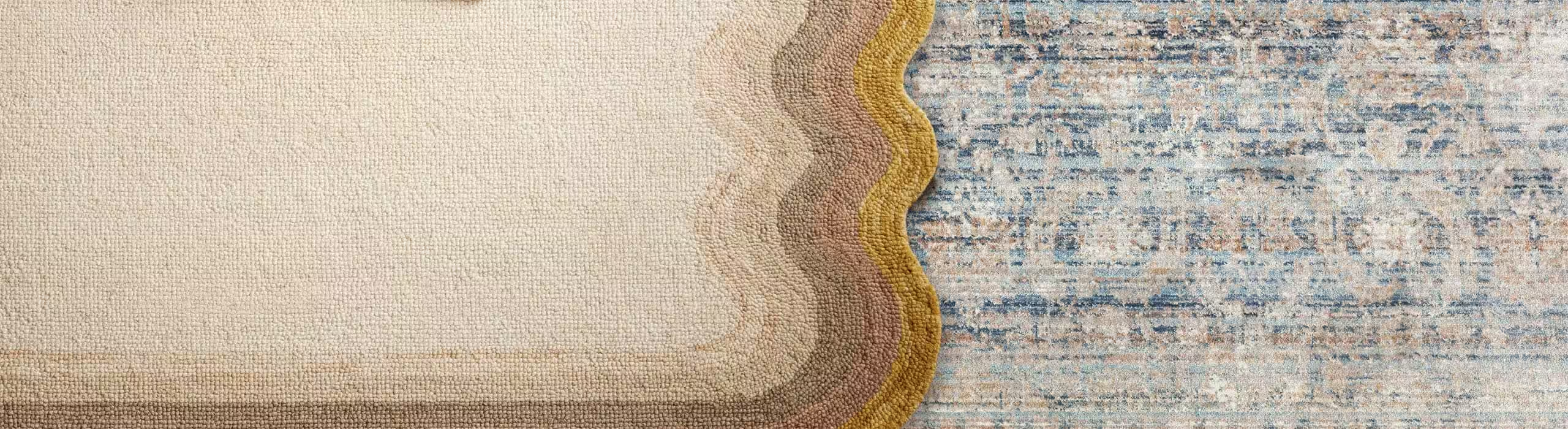
You’ve finally found the room you’ve been dreaming about. The furniture is placed. The paint color is perfect. And now you’re staring at the floor — knowing the right rug will tie everything together, or the wrong one will slowly undermine the whole look.
That’s the moment most homeowners face a familiar fork in the road: wool or synthetic?
It’s a decision with long-term consequences — not just aesthetically, but financially and practically. At The Rug Gallery, we’ve helped Cincinnati families and designers navigate this choice for decades. Here’s what we know from experience, and what homeowners across the country have learned the hard way.
The Short Version (If You're in a Hurry)
Wool rugs are a long-term investment. They cost more upfront, but they last decades, sometimes generations, and they tend to look better with age. Synthetic rugs are easier on the budget and simpler to clean, but most show their age within 5 to 10 years.
Which one is right for you depends on where the rug is going, who lives in your home, and how you think about value
Why Wool Has Stood the Test of Time
Natural wool fiber has been woven into rugs for thousands of years because it genuinely outperforms alternatives in the ways that matter most to people who care about their homes.
It Gets Better With Age
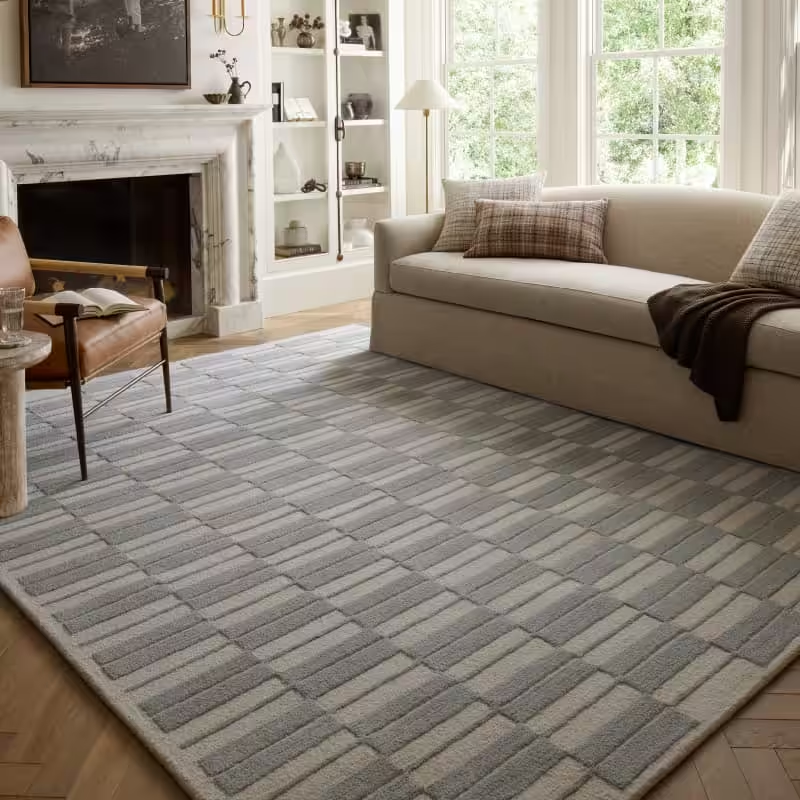
This is the quality that surprises people most. A well-made wool rug doesn’t just hold up — it actually improves over time. The fibers soften. The colors develop depth. The texture becomes more refined. Many of the antique rugs you see in high-end design publications are 50, 80, even 100+ years old, and they’re more beautiful now than the day they were woven.
Synthetics don’t do this. They peak when they’re new and degrade from there.
Natural Stain Resistance
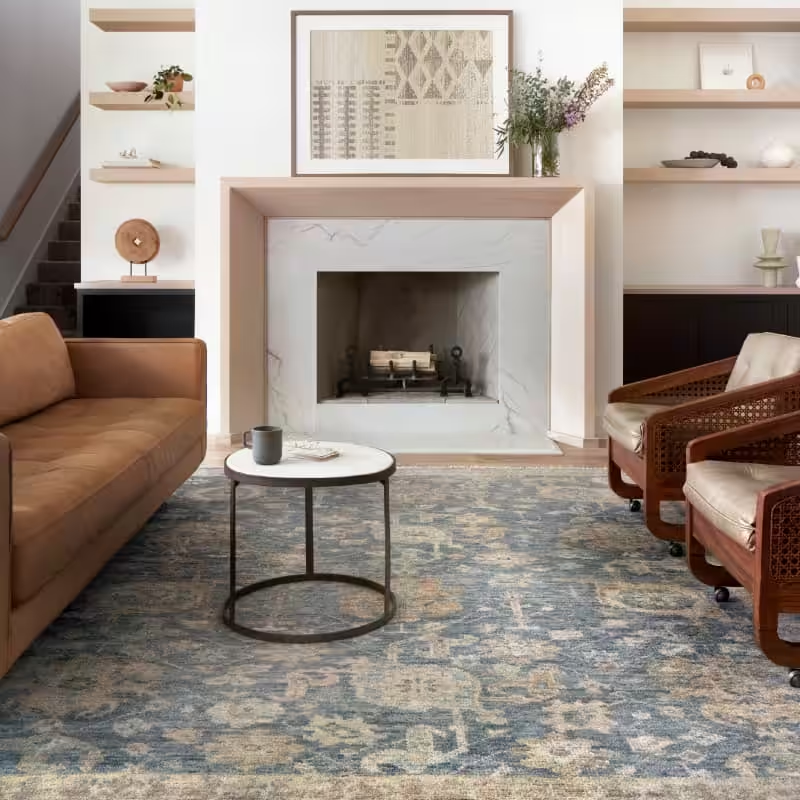
Wool fibers have a natural outer layer, called lanolin, that causes liquids to bead up rather than immediately soak in. That gives you a window to blot a spill before it sets. It’s not magic, but it’s a genuine advantage that synthetic fibers don’t share.
Wool is also naturally resistant to dust mites, mold, and mildew. A real benefit for families who care about indoor air quality.
The Feel Is Different
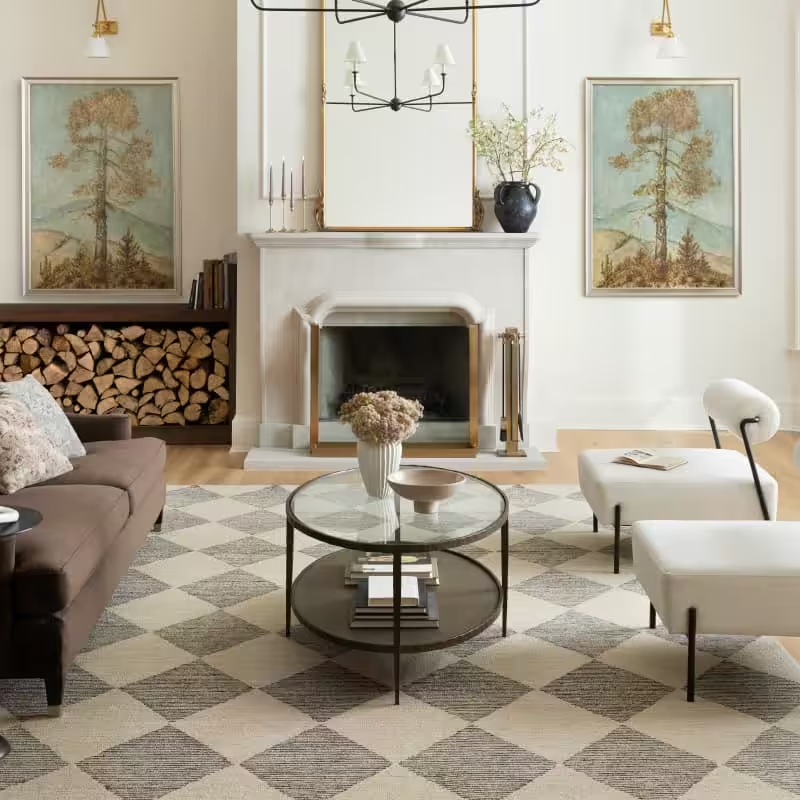
There’s a reason wool is used in the world’s finest rugs: it’s simply one of the most comfortable surfaces to walk and sit on. It insulates naturally: warm underfoot in winter, surprisingly cool in summer; and has a density and spring that synthetic fibers struggle to replicate.
If you’ve ever noticed that a rug feels “plastic-y” or stiff, or develops an odd sheen after a year or two, you were almost certainly standing on a synthetic.
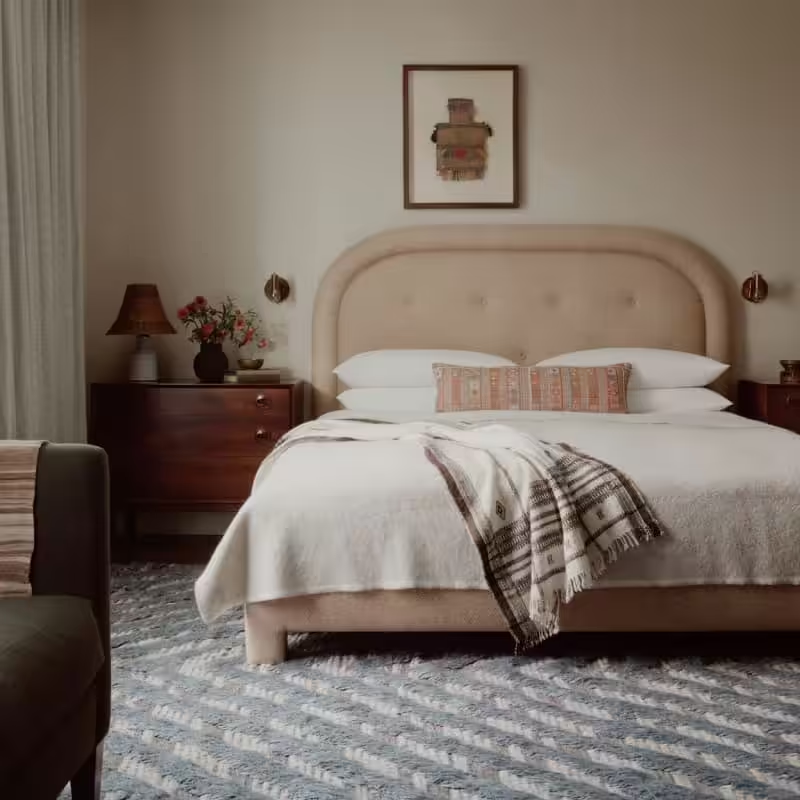
The True Cost of Wool
Wool rugs carry a higher price tag — often two to five times the cost of a comparable synthetic. But consider the math: a $2,000 wool rug that lasts 30 years costs less per year than a $600 synthetic you replace every seven. When you factor in professional cleaning and replacement costs, wool often wins economically — and it never ends up in a landfill after a decade.
A Note on Wool and Pets
Wool handles most spills well, but heavy, repeated pet accidents are its Achilles’ heel. If your dog or cat has unpredictable accidents, we’d recommend either a synthetic in that room or a wool rug with professional protective treatment. Come talk to us — we can help you find the right solution for your specific situation.
When Synthetic Rugs Make Sense
We sell wool rugs because we believe in them, but we also believe in giving honest advice. There are real situations where synthetic is the smarter choice.
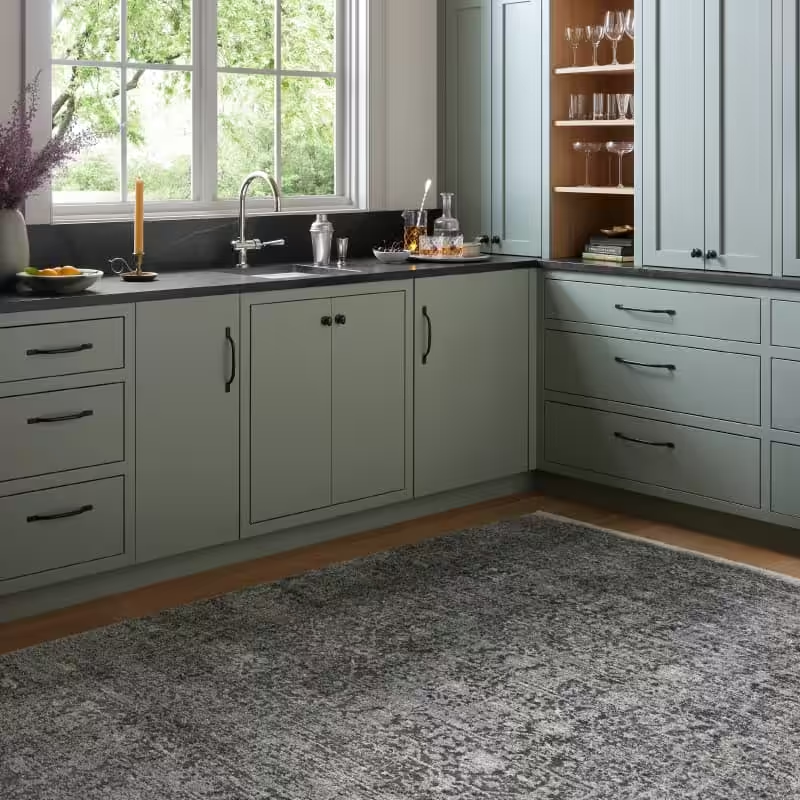
Mudrooms, Laundry Rooms, and High-Spill Zones
If a rug is going to get hosed down, soaked with muddy boots, or treated as a utility surface, synthetic is the practical choice. Polypropylene in particular handles outdoor-level abuse, shrugs off moisture, and can literally be cleaned with a garden hose.
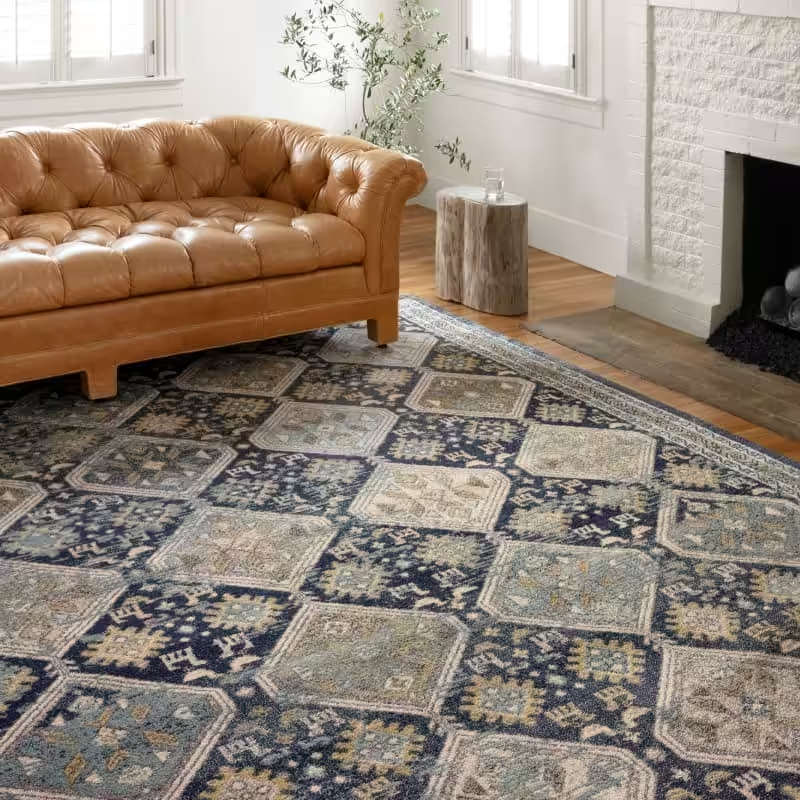
Rental Properties and Temporary Spaces
If you’re furnishing a rental or a transitional space where you’ll be replacing everything in a few years anyway, it doesn’t make financial sense to invest in a wool heirloom piece.
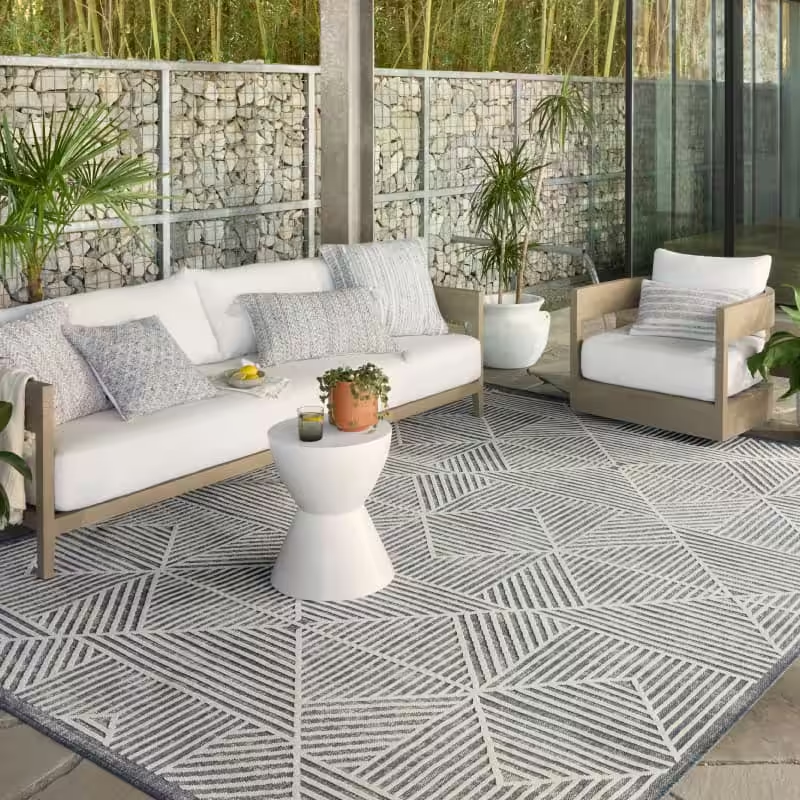
Very Large Areas on a Tight Budget
Sometimes you need coverage for a large open floor plan and the budget simply doesn’t stretch to wool. A good-quality nylon in a neutral pattern can work well in that scenario — just understand you’re looking at a 7-10 year lifespan rather than 30+.
One Caution About Budget Synthetics
There’s a meaningful quality difference within the synthetic category. The bargain polypropylene rugs you find at big-box stores often look worn within 2-3 years — the pile flattens, colors fade, and the texture takes on that characteristic “cheap” look. If you go synthetic, go with a higher-quality nylon from a trusted source. Our team can point you toward options that offer real durability at a reasonable price point.
At a Glance: How They Compare
| Category | Wool Rugs | Synthetic Rugs |
| Longevity | Decades to 100+ years; ages gracefully | 5–10 years before visible wear; may flatten or pill |
| Feel & Comfort | Luxuriously soft, plush, and warm; natural insulation | Ranges widely; cheaper versions feel plastic-y or develop sheen |
| Cleaning | Naturally stain-resistant; spot-cleans well; annual pro cleaning recommended | Very easy to clean; some machine-washable; can trap odors over time |
| Investment | Higher upfront cost; dramatically lower cost-per-year over time | Budget-friendly upfront; replacement costs add up quickly |
| Eco Profile | Natural, renewable, biodegradable; no microplastics | Sheds microplastics; off-gassing when new; ends up in landfill |
| Best For | Living rooms, dining rooms, primary bedrooms, heirloom spaces | Mudrooms, rentals, high-spill zones, temporary spaces |
The Question We Ask Every Customer
When someone comes to The Rug Gallery trying to decide between wool and synthetic, we always ask one question:
“How do you want to feel about this rug in 15 years?”
If the answer is “I want it to still be beautiful and worth keeping,” that almost always points to wool.
If the answer is “I just need something functional for now,” that might point to a quality synthetic.
Either answer is valid. What we push back on is buying cheap without knowing the tradeoff — because the homeowners who feel worst about their rug decisions are usually the ones who spent $400 on something that looked tired within three years.
We're Here to Help You Choose
The best rug for your home isn’t a category — it’s a specific piece, in a specific room, for your specific life. That’s why we don’t just sell rugs; we consult on them.
Our showroom in Cincinnati is stocked with an extensive collection of both wool and quality synthetic rugs across every style, size, and price point. Our team will walk through your space with you, talk about your household, your traffic patterns, your aesthetic goals — and help you make a choice you’ll feel good about for years to come.
No pressure. Just expertise.
Visit us at The Rug Gallery | Cincinnati’s trusted source for fine rugs and flooring since 1956